

More and more gel polish bottles carry the label "HEMA FREE". It sounds good — but what does it actually mean, and does it really matter for your nails? In this article we explain what HEMA is, why it can be a problem, and who will genuinely benefit from choosing HEMA- and DIHEMA-free gel polish.
What is HEMA?
HEMA (hydroxyethyl methacrylate) is an ingredient found in many gel polishes, gels and acrylics. Its main job is to help the product adhere to the nail plate — it's what makes gel polish stay put for several weeks. It's also cheap, which is why manufacturers are so keen to use it.
The problem is that HEMA is also one of the most frequently cited contact allergens in nail cosmetics. Its molecule is small enough that, in its uncured form, it can penetrate the skin and over time lead to a severe allergic reaction.
💡 HEMA vs DIHEMA — what's the difference?
Alongside HEMA, ingredient lists often include DIHEMA (di-HEMA trimethylhexyl dicarbamate). It's a related compound from the methacrylate family that plays a similar role and can also cause irritation. That's why a truly informed choice isn't just "HEMA-free" but HEMA- and DIHEMA-free — which is exactly the formula behind every Very You polish.
Why can HEMA cause allergies?
One rule is key: what sensitises is product that hasn't been cured properly and has come into contact with the skin. When uncured gel polish touches the skin around the nail (or when layers are too thick for the lamp to cure them fully), tiny methacrylate molecules can penetrate the outer layer of skin. Over time, the body may start to recognise them as a threat and develop a contact allergy.
Typical symptoms include: itching and redness around the nails, small blisters, a burning sensation and, in more advanced cases, the nail plate lifting from the nail bed (onycholysis). Importantly, once you develop a methacrylate allergy it usually stays with you for life and can make it difficult to wear gel polish or gels — and sometimes even to come into contact with certain medical materials. That's why it's better to reduce the risk before a problem appears.
Does "HEMA-free" mean the polish is 100% hypoallergenic?
Let's be honest: no. Leaving out HEMA and DIHEMA significantly reduces the risk because it eliminates the most common allergens, but no cosmetic can guarantee that it will never cause a reaction in anyone. Choosing HEMA- and DIHEMA-free gel polish is a way to reduce the risk — especially important if you have sensitive skin or work with nails every day.
Who is HEMA-free gel polish a good choice for?
- People with sensitive skin and nails — lower risk of irritation around the nail folds.
- Nail techs — who handle products for many hours a day and are more exposed to developing an allergy.
- Anyone who has already experienced irritation after a classic gel manicure.
- Anyone who simply wants to do their nails more consciously and limit contact with common allergens.
HEMA-free gel polish from Very You ✨
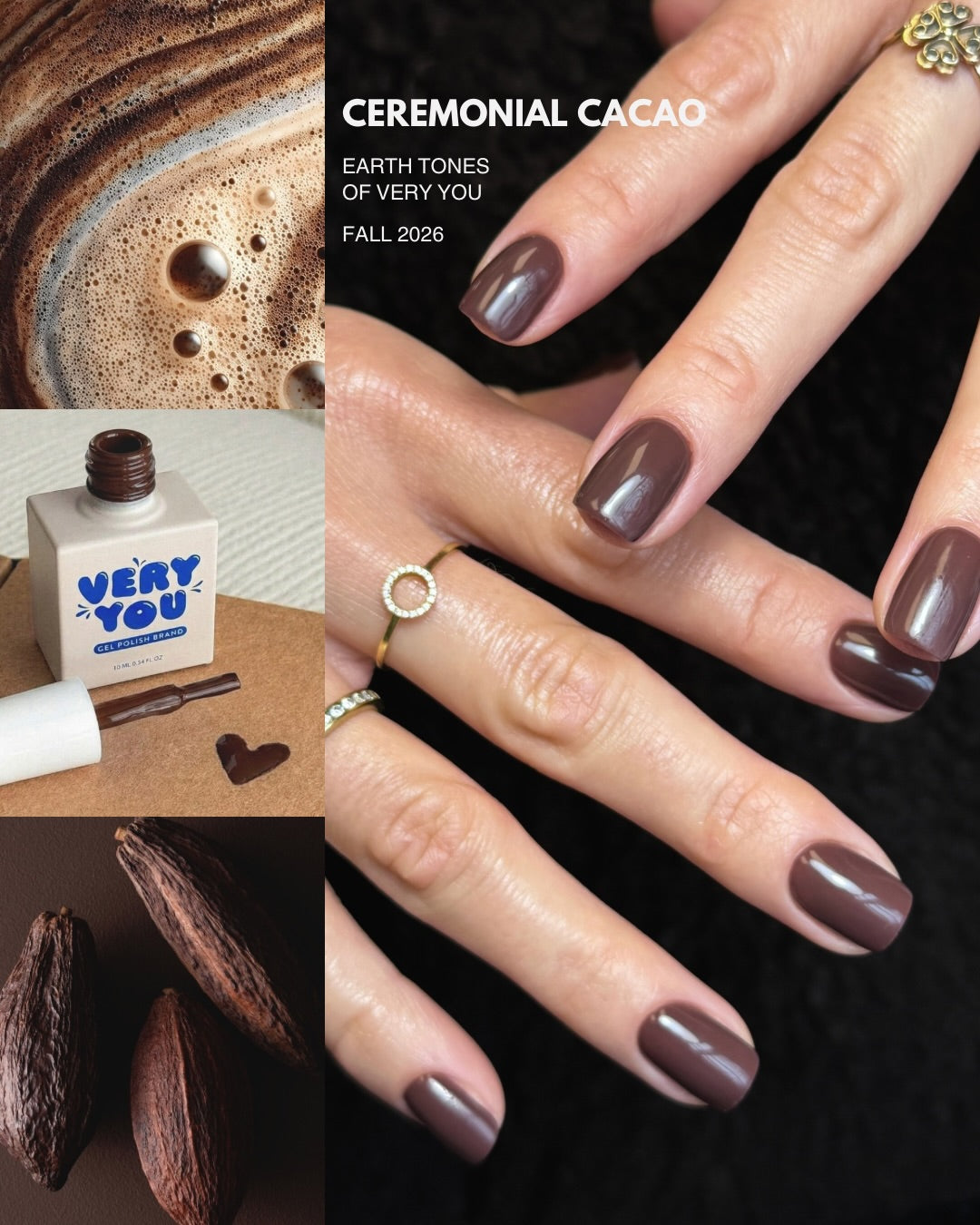
The entire Very You range — gel polish colours, base coats and top coats — is HEMA & DIHEMA FREE.
On top of that, every bottle holds 10 ml (2 ml more than the standard), with intense pigmentation and a consistency that makes even application easy. Simple on the outside, powerful on the inside.
How to do your nails while further reducing the risk of irritation
Even the best formula can't replace good technique. Make sure you:
- Keep product off the skin. Leave a small gap at the cuticles.
- Apply thin layers. Thick layers don't cure as well.
- Cure in a well-functioning lamp with the right wattage, and replace it when the LEDs start to weaken.
- Prep the nail plate properly — a clean, dehydrated nail plate means better adhesion and fewer touch-ups. Our nail prep products will help.
For more hands-on tips, see our step-by-step guide to gel manicure at home.
Frequently Asked Questions (FAQ)
Does HEMA-free gel polish last as long?
Yes. Wear time depends mainly on technique, nail prep and the quality of your base and top coat — not on whether the formula contains HEMA. A well-done HEMA-free gel manicure will easily last 2–3 weeks.
How can I tell if I'm allergic to gel polish?
The most common signs are persistent itching and redness around the nails, small blisters, burning and the nail plate lifting. If you notice these symptoms, stop using gel polish and consult a dermatologist.
I already have an acrylate allergy — can I use HEMA-free gel polish?
Allergies are individual, so if you have a diagnosed methacrylate allergy, it's best to decide after consulting your doctor. HEMA- and DIHEMA-free gel polishes limit contact with the most common allergens, but they don't guarantee you won't react.
Are Very You polishes HEMA- and DIHEMA-free?
Yes. All Very You gel polishes, base coats and top coats are HEMA & DIHEMA FREE.


Leave a comment
This site is protected by hCaptcha and the hCaptcha Privacy Policy and Terms of Service apply.